
Critical Care Nurse

Find the Right School for You

Critical Care Nurse

Discover the path to becoming a Critical Care Nurse and make a life-saving impact in the lives of the most vulnerable patients.
Critical Care Nurse
Joanna Whitfield, MSN, RN | August 4th, 2024
Medically reviewed by EveryNurse Staff Writers
Critical Care Nurse
Summary
As a vital member of the intensive care unit, Critical Care Nurses combine advanced medical expertise with compassionate care to navigate life-threatening situations and make split-second decisions that can mean the difference between life and death. Discover how you can transform your passion for nursing into a rewarding profession that challenges you daily and offers the opportunity to make a profound impact on patients and their families during their most critical hours.

What Is a Critical Care Nurse?

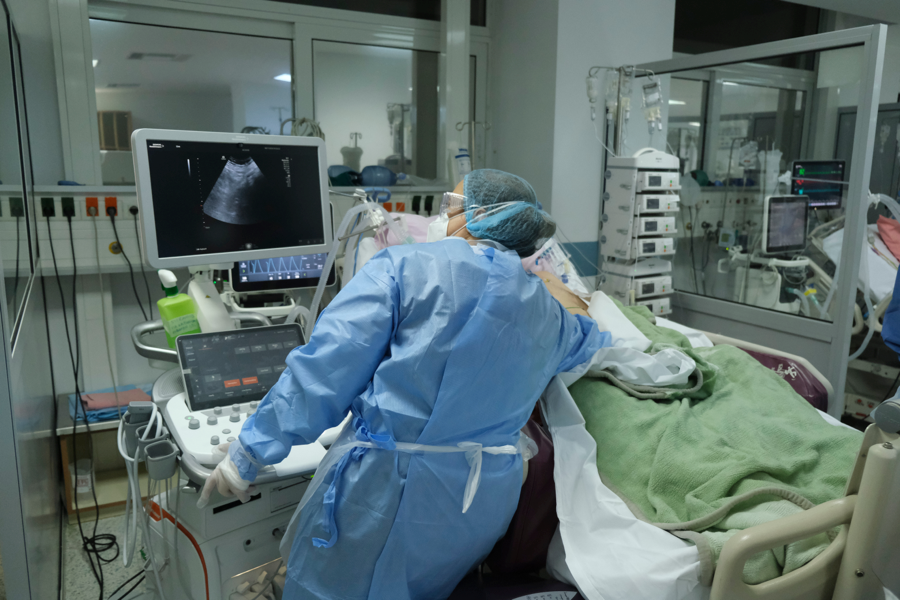
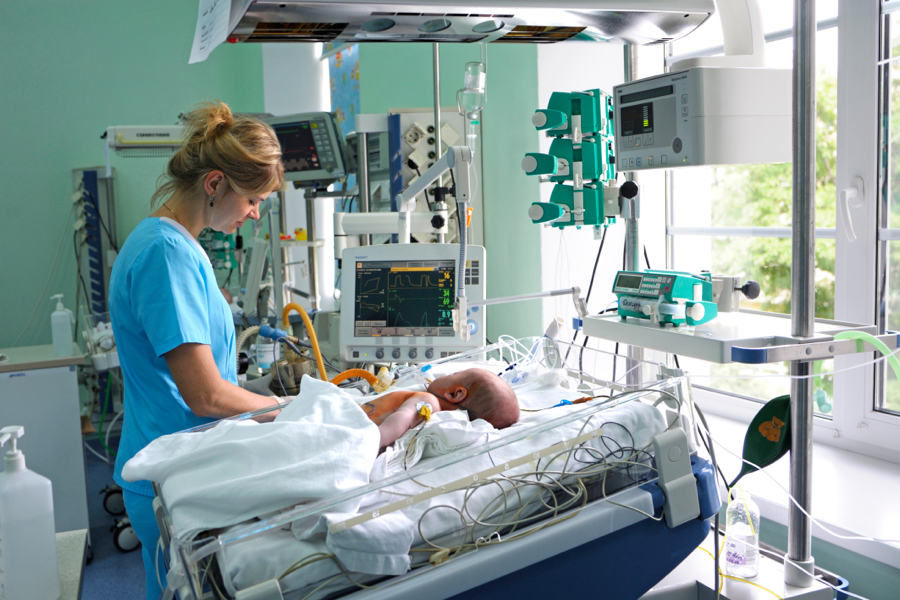
A critical care nurse, also known as an ICU nurse, is a specialized healthcare professional who provides intensive care to patients with life-threatening conditions or injuries. These highly trained nurses work in fast-paced environments such as intensive care units, emergency departments, and trauma centers. They are responsible for closely monitoring patients’ vital signs, administering complex treatments and medications, operating advanced medical equipment, and collaborating with physicians to develop and implement care plans.
  1. Western Governors University. Critical Care Nurse Career.
  2. Maryville University. How to Become a Critical Care Nurse.
  3. CareRev. The Vital Role of Critical Care Nursing.
  4. Lippincott NursingCenter. Critical Care Nursing

What Does a Critical Care Nurse Do?

Critical Care Nurses work in high-stress environments where patients require constant attention and complex care. They must be able to make quick decisions, handle emergencies calmly, and provide compassionate care to critically ill patients and their families.

Key Responsibilities

  • Perform comprehensive patient assessments, including physical examinations and evaluation of vital signs
  • Monitor and interpret complex physiological data from various medical devices and equipment
  • Administer medications, including intravenous drugs, and manage drug therapies
  • Operate and troubleshoot life support equipment such as ventilators, cardiac monitors, and dialysis machines
  • Respond quickly to changes in patient condition and initiate appropriate interventions
  • Assist with or perform invasive procedures like intubation, central line placement, and arterial line insertion
  • Provide advanced cardiac life support (ACLS) during emergencies and participate in code blue situations
  • Manage pain and sedation levels for critically ill patients
  • Assess and manage wounds, including complex dressings and wound vacs
  • Implement infection control measures to prevent hospital-acquired infections
  • Collaborate with physicians and multidisciplinary teams to develop and adjust patient care plans
  • Coordinate patient care across various hospital departments and specialties
  • Provide emotional support and education to patients and their families
  • Advocate for patients’ needs and preferences within the healthcare team
  • Document patient care, including assessments, interventions, and responses to treatment

How to Become a Critical Care Nurse

Becoming a Critical Care Nurse requires dedication, advanced training, and a strong commitment to patient care. The journey involves earning a nursing degree, gaining experience, and obtaining specialized certifications. The following steps outline the path to becoming a Critical Care Nurse.

1. Earn a Bachelor of Science in Nursing (BSN)

Begin your journey to becoming a critical care nurse by obtaining a Bachelor of Science in Nursing (BSN) degree from an accredited nursing program. This four-year degree provides a comprehensive education in nursing theory, practice, and clinical skills essential for critical care. While an Associate Degree in Nursing (ADN) can lead to RN licensure, a BSN is increasingly preferred or required by employers in critical care settings due to the complex nature of the work.

2. Obtain RN Licensure

After completing your BSN, the next crucial step is to obtain your Registered Nurse (RN) licensure by passing the National Council Licensure Examination (NCLEX-RN). This comprehensive exam evaluates your ability to apply nursing knowledge and make sound clinical judgments in various healthcare scenarios. Once you pass the NCLEX-RN, you must apply for licensure through your state’s board of nursing, which may require additional steps such as background checks and fingerprinting.

3. Gain General Nursing Experience

Most critical care units require nurses to have at least one to two years of experience in general nursing before specializing. This experience helps you develop essential skills, gain confidence in patient care, and build a strong foundation for the challenges of critical care nursing. Consider working in medical-surgical units, emergency departments, or step-down units to gain valuable experience.

4. Acquire Specialized Certifications

Enhance your qualifications by obtaining certifications relevant to critical care nursing. Essential certifications include Basic Life Support (BLS), Advanced Cardiovascular Life Support (ACLS), and Pediatric Advanced Life Support (PALS). These certifications demonstrate your ability to respond effectively in emergency situations and are often required by employers.

5. Pursue Critical Care Nursing Education

Seek out specialized education in critical care nursing through courses, workshops, or continuing education programs. Many hospitals offer critical care internships or orientation programs for nurses transitioning into the ICU. These programs provide in-depth knowledge of critical care practices, equipment, and protocols.

6. Gain Experience in Critical Care

Begin working in a critical care setting, such as an intensive care unit (ICU), coronary care unit (CCU), or emergency department. This hands-on experience is crucial for developing the specialized skills and knowledge required in critical care nursing. Be prepared for a steep learning curve as you adapt to the fast-paced, high-stakes environment.

7. Obtain Critical Care Nursing Certification

After gaining experience, pursue professional certification in critical care nursing. The American Association of Critical-Care Nurses (AACN) offers the CCRN certification, which validates your expertise in critical care nursing. This certification can enhance your career prospects and demonstrate your commitment to excellence in the field.

8. Continue Professional Development

Commit to lifelong learning and stay updated on the latest advancements in critical care nursing. Attend conferences, participate in research, and pursue advanced degrees such as a Master of Science in Nursing (MSN) or Doctor of Nursing Practice (DNP) to further your career and potentially move into leadership roles in critical care.

Benefits of Becoming a CCN

Embarking on a career as a critical care nurse opens the door to a world of unique and rewarding opportunities in healthcare. This specialized field offers numerous benefits that set it apart from other nursing roles, making it an attractive choice for those seeking a challenging and fulfilling profession.

Opportunity for Specialized Skills and Knowledge

Critical care nurses develop a high level of expertise in managing complex medical equipment, interpreting vital signs, and administering advanced treatments. This specialized skill set allows them to work with the most critically ill patients and participate in life-saving interventions. The continuous learning and application of cutting-edge medical knowledge make this career intellectually stimulating and professionally rewarding.

Lower Nurse-to-Patient Ratios

Critical care units typically maintain lower nurse-to-patient ratios compared to other hospital departments. These ratios, often 1:1 or 1:2, allow nurses to provide more focused and comprehensive care to their patients. This increased attention to individual patients not only improves patient outcomes but also enhances job satisfaction for nurses who can dedicate more time and energy to each person under their care.

Career Advancement and Specialization Opportunities

The field of critical care nursing offers numerous paths for career growth and specialization. Nurses can pursue additional certifications in areas such as cardiac care, pediatric critical care, or neonatal intensive care. These specializations can lead to increased responsibilities, leadership roles, and potentially higher salaries. Additionally, the skills and experience gained in critical care can serve as a strong foundation for advancing to roles such as nurse practitioner or clinical nurse specialist.

Collaborative and Dynamic Work Environment

Critical care nurses work closely with a multidisciplinary team of healthcare professionals, including physicians, respiratory therapists, and other specialists. This collaborative environment fosters professional growth, knowledge sharing, and the opportunity to contribute to complex patient care decisions. The fast-paced nature of critical care units also provides a dynamic work setting that keeps nurses engaged and challenged throughout their careers.

Critical Care Nurse Salary

Critical Care Nurses in the United States earn competitive salaries, with an average annual income of approximately $94,610, though estimates vary slightly between sources. The typical salary range falls between $74,000 and $101,500, with top earners potentially making up to $119,500 annually. Factors influencing salary include location, experience, education, and specialized certifications.

Critical Care Nurses generally earn more than general RNs but less than advanced practice nurses. The field offers opportunities for salary growth through career advancement, such as moving into administrative roles or pursuing advanced degrees.

Job Outlook

The job outlook for critical care nurses is very positive. According to the U.S. Bureau of Labor Statistics, employment of registered nurses, including those in critical care, is projected to grow 6% from 2022 to 2032. This growth is driven by several factors, including an aging population requiring more healthcare services, increased demand for critical care services due to complex health conditions, and a shortage of critical care physicians leading to expanded roles for nurses.

The COVID-19 pandemic has further highlighted the essential role of critical care nurses, intensifying the demand. Additionally, with up to 27% of critical care nurses estimated to be planning to exit the profession in the near future, there will likely be numerous job openings to fill these vacancies.

Frequently Asked Questions

To become an ICU nurse, you must first be a registered nurse. This typically takes four years of nursing school in a BSN program. In addition to a degree, you will need a significant amount of critical care experience. Many hospitals will not hire recent graduates to work in an ICU. Gaining the necessary experience can take between two and five years.
Critical care nurses are registered nurses (RNs) with extensive experience and specialty certifications in acute/critical care nursing. In 2020, registered nurses earned a mean annual salary of $80,010 according to the U.S. Bureau of Labor Statistics. According to a salary survey conducted by the American Association of Critical-Care Nurses (AACN), nurses who are CCRN certified earn approximately $10,000 more per year than nurses without certification.

Caring for acutely or critically ill patients requires an advanced skill set. The complexity and demands of the job mean that nurses working in ICUs must have the education and clinical experience to qualify for their position. The minimum education for patient care roles in ICUs varies by location, but most states and employers require nurses to have a Bachelor of Science in Nursing degree with additional training in advanced nursing practices.

There are at least five key differences between an ICU nurse and an ER nurse. Learning the differences between these two nurses can help you determine what type of nursing specialization is best for you. The primary differences between an ICU nurse and ER nurse are in the working environment, organizational personalities and responsibilities, goals of patient care, compensation, and patient load.

Read More