
Find the Right School for You


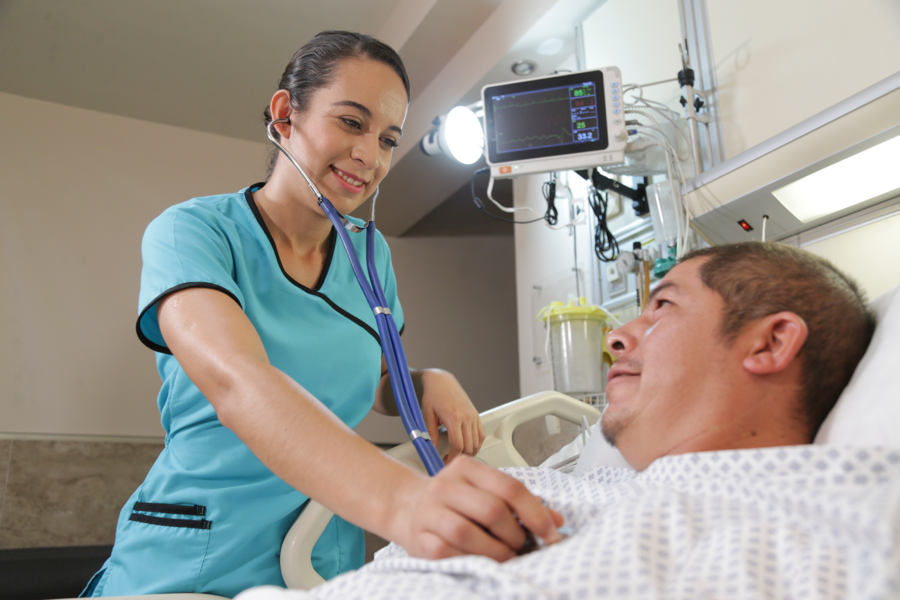
A labor and delivery (L&D) nurse is a specialized registered nurse who provides comprehensive care to mothers and newborns during the childbirth process, from labor through the immediate postpartum period. They monitor the health and well-being of both mother and baby, administer medications, assist with pain management, and provide emotional support. L&D nurses work closely with obstetricians and midwives to ensure a safe and healthy delivery, and they also educate new parents on infant care, breastfeeding, and postpartum recovery.
Labor and delivery nurses are responsible for checking vitals, administering medications, identifying complications, and responding to medical emergencies during the birthing process, so it’s essential that they have extensive clinical experience and specialized medical skills.
Throughout their careers, labor and delivery nurses must remain up-to-date on current standards of practice through continuing education courses or workshops offered by professional organizations such as the American College of Nurse-Midwives or the National Association of Neonatal Nurses. These organizations offer certifications specific to this field, which can help ensure the best possible care for mothers and babies during the birthing process.
Labor and delivery nurses must have at least an associate degree in nursing (ADN) or a Bachelor of Science in Nursing (BSN). ADNs are two-year programs that provide students with the necessary skills to become registered nurses. BSNs are four-year programs that offer more comprehensive education, including courses on leadership, management, research, and evidence-based practice.
As with most healthcare professions a higher level of education provides a competitive edge when being evaluated by potential employers so earning a BSN degree is highly recommended.
After graduating from your BSN program, you must pass the National Council Licensure Examination (NCLEX-RN) – a test administered by the National Council of State Boards of Nursing (NCSBN) – to become a registered nurse (RN). Each state has its own licensing board that sets the rules for obtaining an RN license; check with your state’s board of nursing for more information on licensure requirements in your area.
Earning certifications is an important step for labor and delivery nurses to advance their careers. Many organizations offer certification programs specifically designed to help nurses build specialized knowledge and skills in preparation for careers in Labor and Delivery units. A few notable certifications include:
The most recent data published by the BLS states that the average registered nurse salary in 2022 was 89,010. ZipRecruiter reports slightly higher numbers for labor and delivery nurses, stating that the average L&D nurse earns an annual salary of $96,039, or $46.00 per hour, depending on experience level and geographic location.
The job outlook for labor and delivery nurses is positive due to the increasing demand for healthcare services related to childbirth. According to the Bureau of Labor Statistics (BLS), registered nurse employment is projected to grow 6% from 2022-2032 which is faster than average. This projection equates to over 195,000 job openings for RNs over the next 10 years.
Read More