
Find the Right School for You
Dreaming of a career in nursing? Becoming a registered nurse offers a pathway to meaningful work and numerous opportunities for career growth.


The practice of registered nursing is often described as a perfect harmony of science and heart. On one hand, it is deeply rooted in evidence-based research and cutting-edge clinical knowledge, demanding a strong foundation in the biological and medical sciences.
On the other hand, it is the compassionate heart of a nurse that brings a uniquely human touch to the profession. If you find yourself drawn to a career that combines your passion for helping others with the opportunity for continuous learning and growth, then the path of a registered nurse may be your true calling.
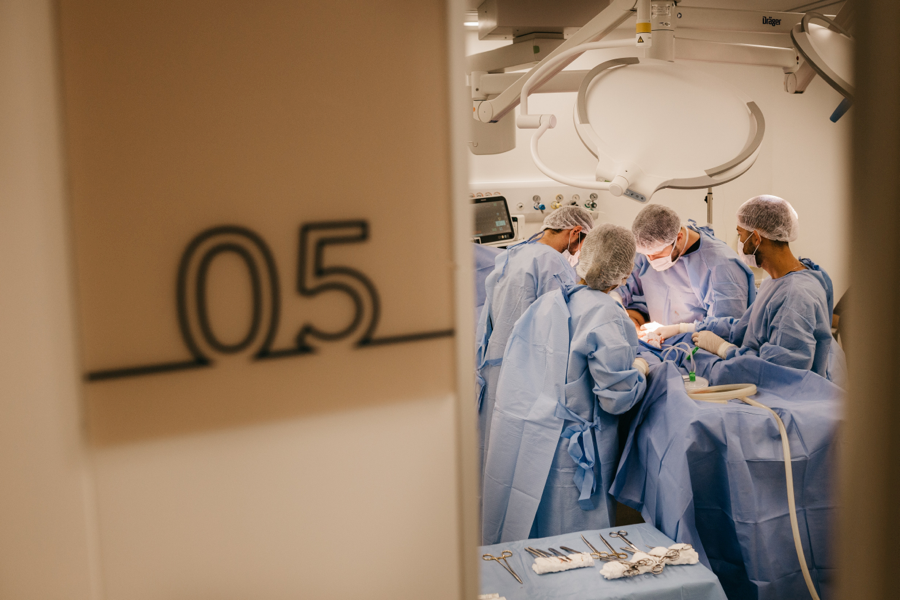
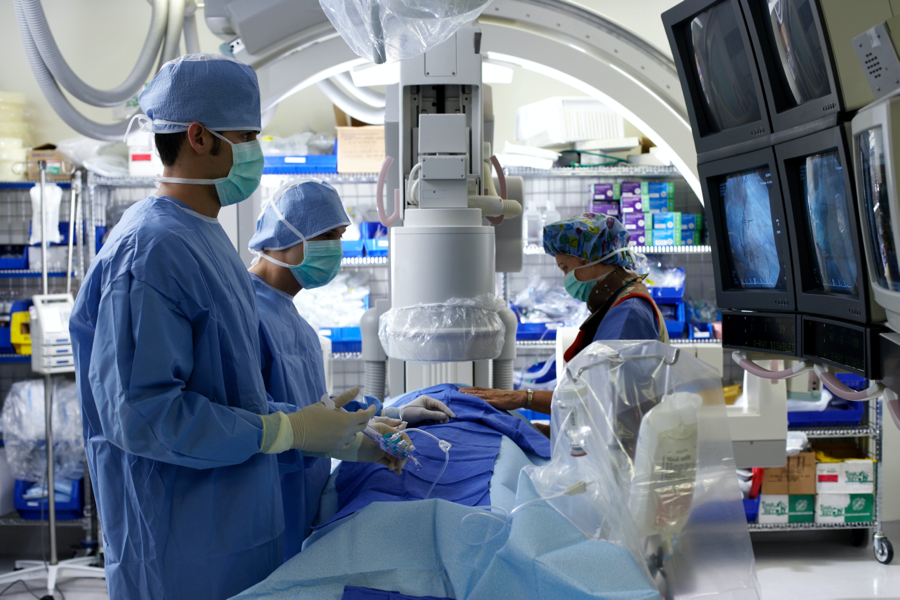
As a registered nurse (RN), you’ll have the privilege of making a meaningful difference in people’s lives every single day while being part of a dynamic, highly respected profession. RNs are licensed healthcare professionals on the frontline of the medical workforce who provide direct patient care in various settings such as hospitals, clinics, schools, and homes. RNs assess patients’ health, administer treatments and medications, develop care plans, educate patients and families, and collaborate with other healthcare providers to deliver comprehensive care.
Registered nurses (RNs) have a wide range of daily responsibilities that involve direct patient care, collaboration with healthcare teams, and administrative tasks. On a typical day, an RN assesses patients’ health conditions, administers medications and treatments, monitors vital signs, maintains accurate medical records, educates patients and families, and communicates with physicians and other healthcare professionals. The specific duties may vary depending on the work setting and specialty, but the primary focus is always on delivering high-quality, patient-centered care.
Becoming a registered nurse (RN) in the United States involves completing a series of well-defined steps that include earning a nursing degree from an accredited program, applying for licensure with your state board of nursing, passing the NCLEX-RN licensing exam, and obtaining your RN license. While the specific requirements may vary slightly by state, the overall process remains consistent across the country.
Earn an Associate Degree in Nursing (ADN) or Bachelor of Science in Nursing (BSN) from a nursing program accredited by the Accreditation Commission for Education in Nursing (ACEN) or the Commission on Collegiate Nursing Education (CCNE). ADN programs typically take 2-3 years, while BSN programs take 4 years to complete. The curriculum includes nursing theory, clinical skills, and general education courses.
Pursuing specialty certifications and advanced degrees like a Master of Science in Nursing (MSN) can significantly enhance a registered nurse’s career. Specialty certifications demonstrate expertise in specific areas, improving professional credibility and potentially leading to higher salaries. An MSN degree qualifies nurses for advanced practice roles, leadership positions, and increased autonomy. While these educational pursuits require substantial time and financial investments, they offer valuable returns in terms of professional growth, career satisfaction, and improved patient care.
ADN programs typically take 2-3 years to complete and are offered at community colleges, vocational schools, and some four-year institutions. These programs focus on nursing fundamentals, clinical skills, and essential nursing theory, preparing students for entry-level nursing positions. ADN curricula include both classroom instruction and hands-on clinical experience.
BSN programs are four-year degrees offered at colleges and universities. They provide a more comprehensive education in nursing theory, leadership, and clinical skills. It’s worth noting that while an ADN is the minimum requirement in most states, there’s a growing preference for BSN-prepared nurses. Some states, like New York, require RNs to obtain a BSN within 10 years of initial licensure. Many employers, especially hospitals, prefer or require a BSN for certain positions.
While an ADN program can qualify you to become an RN, many healthcare organizations prefer or require BSN-prepared nurses. For those already working as RNs with an ADN or diploma, there are RN-to-BSN programs available that allow them to earn a bachelor’s degree while working. These programs build on the nurse’s existing knowledge and typically take 1-2 years to complete.
The time to become a registered nurse varies depending on the educational path chosen, ranging from 2 to 4 years. Traditional Associate Degree in Nursing (ADN) programs typically take 2-3 years, while Bachelor of Science in Nursing (BSN) programs require 4 years. Accelerated BSN programs for those with a bachelor’s degree in another field can be completed in 12-18 months. Less common hospital-based diploma programs usually last 2-3 years. For working RNs with an ADN, RN-to-BSN programs typically take 1-2 years to complete. After finishing any of these programs, graduates must pass the NCLEX-RN exam to obtain licensure, which can add a few months to the overall process.
Yes, there is typically a pay difference between RNs with an Associate Degree in Nursing (ADN) and those with a Bachelor of Science in Nursing (BSN). BSN-prepared nurses generally earn higher salaries than ADN-prepared RNs. For example, PayScale reports that BSN graduates earn about $91,000 annually, while ADN holders earn approximately $74,000. This salary gap tends to persist throughout a nurse’s career, with BSN holders often having access to more advanced positions and better career growth opportunities.
Read More