We are dedicated to providing high-quality, trustworthy content. Our team of writers, editors, and experts rigorously researches and reviews all material to ensure accuracy and relevance. See our editorial policy.
Summary:
An OB nurse’s day is a complex balance of preparation, patient care, and constant assessment, with each shift bringing its own mix of joy and challenge. From the early morning review of patient charts to the final handover, these nurses navigate the intricacies of labor and delivery by building rapport with mothers, closely monitoring fetal and maternal health, and supporting families through emotional highs and lows.
The role of an Obstetrics (OB) nurse is often romanticized as a profession centered around the joy of welcoming new life into the world. While this aspect certainly forms a significant part of the job, the reality encompasses a far more complex and demanding set of responsibilities.
As an OB nurse with over 10 years of experience, I’ve witnessed the full spectrum of human emotions and medical scenarios that unfold within the labor and delivery unit. Let me guide you through a typical day in the life of an OB nurse, shedding light on the intricacies, challenges, and rewards that come with this profession.
The Early Shift: Preparation and Patient Care
My day begins well before my official shift starts. Arriving at least 15 minutes early allows me to mentally prepare for the unpredictable nature of OB nursing. This extra time is crucial for reviewing patient charts, discussing handovers with the night shift, and ensuring all necessary equipment is ready for use.
As I begin my rounds, I’m greeted by a variety of scenarios. On this particular day, my first patient is a first-time mother, anxiously awaiting the arrival of her daughter. Her water has broken, and she’s experiencing increasing discomfort. My initial focus is on establishing a rapport with the patient and her partner while simultaneously conducting a thorough assessment.
Assessment and Monitoring
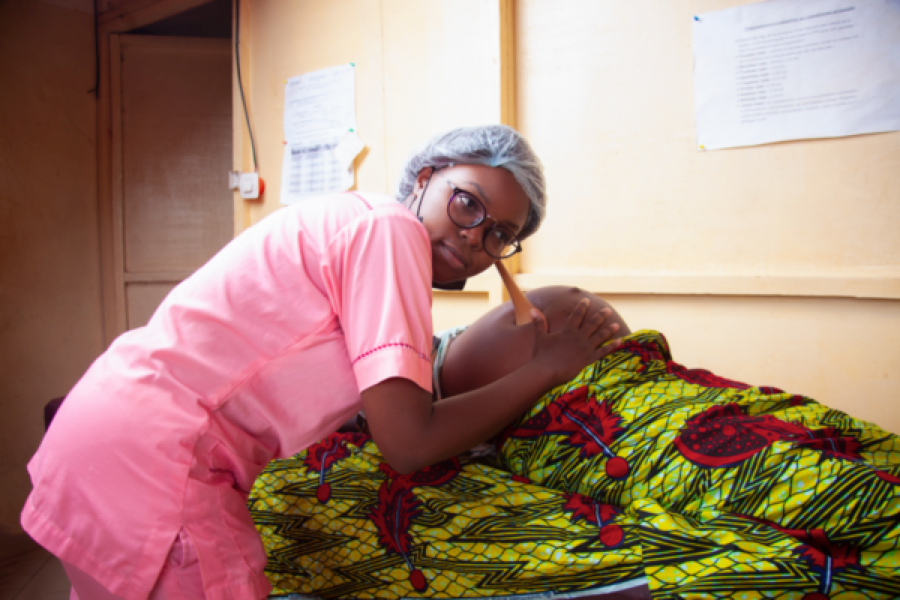
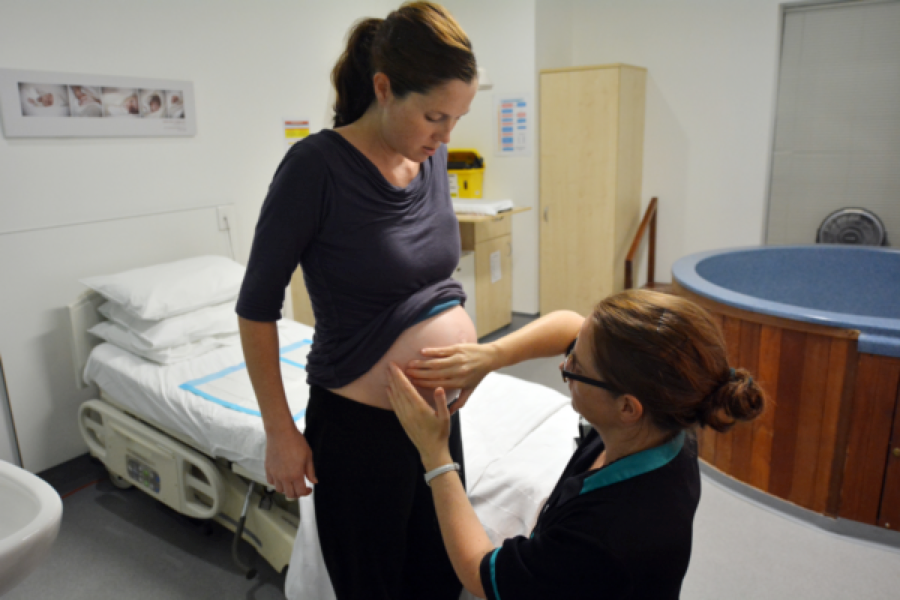
The cornerstone of OB nursing is continuous assessment and monitoring. I begin by checking the patient’s cervical dilation, effacement, and station. However, before proceeding further, it’s imperative to confirm the baby’s well-being. I attach the external fetal monitor to track the fetal heart rate and contractions. Interpreting these readings is a critical skill in OB nursing, as it guides our care plan and helps us identify any potential complications.
Once I’ve established that both mother and baby are stable, I proceed with the admission process. This involves gathering detailed information about the patient’s health history, current pregnancy, and any concerns she may have. Simultaneously, I’m initiating necessary interventions such as IV placement and blood work, all while documenting meticulously in the electronic health record.
Active Labor: Support and Intervention
As labor progresses, my role evolves into that of a coach, advocate, and medical professional. I guide the mother through breathing techniques, suggest position changes to facilitate labor progression and provide emotional support to both the patient and her partner. When the pain intensifies, I discuss pain management options, including pharmacological interventions like epidural anesthesia.
Administering an epidural requires careful preparation and monitoring. I collaborate with the anesthesiologist, ensuring the patient is positioned correctly and monitoring her vital signs closely for any adverse reactions. This phase of labor demands heightened vigilance, as rapid changes can occur in both maternal and fetal status.
Delivery: The Culmination of Care
As labor advances, I maintain frequent communication with the obstetrician, providing updates and preparing for delivery. This involves setting up the delivery table, checking resuscitation equipment, and ensuring all necessary supplies are at hand.
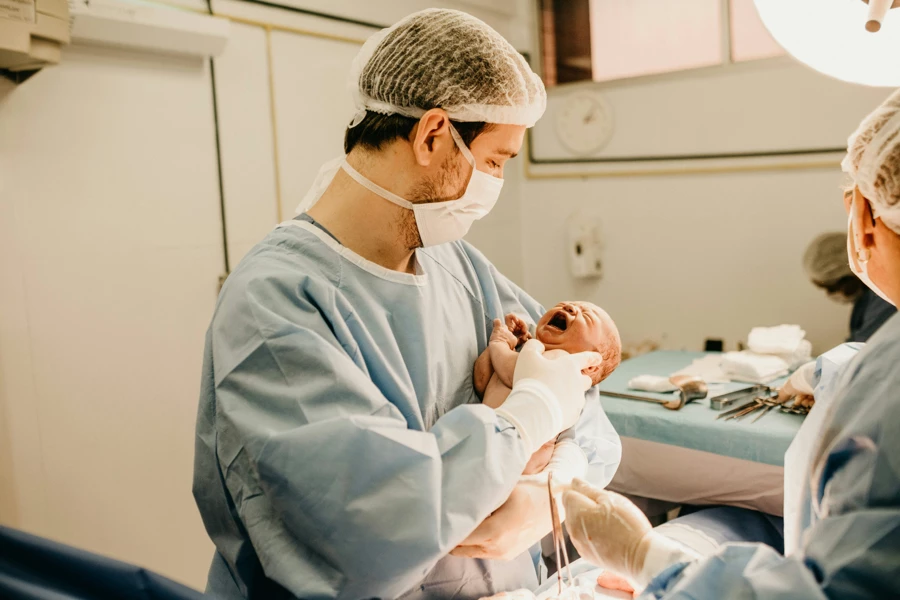
When the moment of birth arrives, the atmosphere in the room transforms. My role shifts to supporting the mother through the pushing phase, assisting the physician, and preparing to receive the newborn. The first moments after birth are critical – I assess the baby’s condition, facilitate skin-to-skin contact if appropriate, and assist with the initial breastfeeding attempt.
Postpartum Care: Vigilance and Education
The delivery of the baby doesn’t signal the end of my responsibilities. The immediate postpartum period requires close monitoring of both mother and infant. I perform frequent maternal assessments, checking for excessive bleeding and ensuring the uterus is contracting properly. Simultaneously, I’m observing the newborn’s transition to extrauterine life, conducting necessary screenings, and supporting the family’s bonding process.
Education forms a significant part of postpartum care. I provide guidance on infant care, breastfeeding techniques, and signs of potential complications to watch for. This education extends to all aspects of the mother’s recovery, including pain management and self-care strategies.
Reflection and Readiness
As my shift progresses, I may care for multiple patients with varying needs – from high-risk pregnancies to routine deliveries. Each case presents its own set of challenges and rewards. The ability to adapt quickly, think critically, and maintain composure under pressure is essential in OB nursing.
At the end of a 12-hour shift, I often find myself physically exhausted but emotionally fulfilled. The privilege of supporting families through one of life’s most significant moments is not lost on me. However, I’m also acutely aware of the weight of responsibility that comes with this role. Every decision, every intervention can have profound implications for both mother and child.
As I prepare to hand over care to the next shift, I reflect on the day’s events – the triumphs, the near-misses, and the lessons learned. OB nursing is a field of constant learning and growth, where each day brings new challenges and opportunities to make a difference in the lives of families.
In conclusion, a day in the life of an OB nurse is far from the romanticized notion of simply “holding babies.” It’s a complex, demanding role that requires a unique blend of clinical expertise, emotional intelligence, and unwavering dedication. While the challenges are significant, the rewards – witnessing the miracle of new life and supporting families through transformative experiences – make this profession truly extraordinary.
EveryNurse Staff
EveryNurse.org is a trusted resource for nurses around the world at every stage of their nursing journey.