We are dedicated to providing high-quality, trustworthy content. Our team of writers, editors, and experts rigorously researches and reviews all material to ensure accuracy and relevance. See our editorial policy.
Summary: Preparing for nursing school involves completing a series of foundational courses and meeting additional requirements designed to ensure readiness for the challenges of nursing education and practice. Core prerequisites typically include subjects like anatomy, biology, microbiology, chemistry, psychology, statistics, and English composition, each essential for building knowledge critical to patient care.
Embarking on a nursing career is a noble pursuit, offering the opportunity to make a significant impact in healthcare and people’s lives. However, the journey begins long before you set foot in a nursing program. Understanding and fulfilling the prerequisites for nursing school is a crucial first step in your path to becoming a nurse.
Nursing school prerequisites serve as the foundation upon which your nursing education will be built. These courses are designed to equip aspiring nurses with the fundamental knowledge and skills necessary for success in their future studies and careers. By completing these requirements, you demonstrate your commitment to the field and prepare yourself for the rigorous academic challenges ahead.
Common Nursing School Prerequisites
While specific requirements may vary between institutions, most nursing programs share a core set of prerequisite courses. These typically include:
Anatomy and Physiology
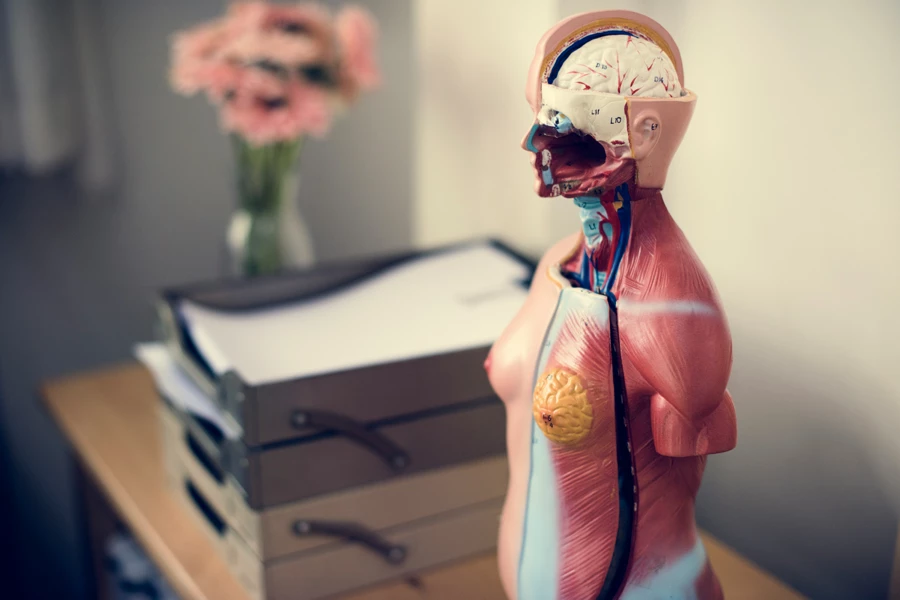
This two-semester sequence provides a comprehensive understanding of the human body’s structure and function. You’ll explore various body systems, from skeletal and muscular to cardiovascular and respiratory. Laboratory work is often a key component, offering hands-on experience with dissections and microscopy. These courses lay the groundwork for understanding complex medical conditions and treatment strategies.
Biology
General biology courses introduce you to the fundamentals of life sciences. You’ll study cell structures, genetics, evolution, and ecology. This broad foundation is essential for understanding more complex biological concepts in nursing. You’ll gain insights into how living organisms function, adapt, and interact with their environment, which is crucial for comprehending human health and disease processes.
Microbiology
This course focuses on microorganisms and their impact on human health. You’ll learn about bacteria, viruses, fungi, and other pathogens, as well as the principles of infection control and immunology. The laboratory component often includes techniques for culturing and identifying microorganisms. This knowledge is vital for understanding disease transmission, prevention, and treatment in healthcare settings.
Chemistry
Chemistry courses provide insight into the chemical processes within the human body. You’ll study atomic structure, chemical reactions, and organic compounds. This knowledge is crucial for understanding pharmacology and biochemistry in future nursing courses. You’ll learn how medications interact with the body at a molecular level and how chemical imbalances can lead to various health conditions.
English Composition
Strong communication skills are vital in nursing. English composition courses hone your writing abilities, teaching you to express ideas clearly and concisely. You’ll learn to write research papers, reports, and other professional documents. These skills are essential for accurate documentation in patient records, composing care plans, and communicating effectively with healthcare team members and patients.
Psychology
An introduction to psychology course helps you understand human behavior and mental processes. This knowledge is invaluable when working with patients and their families in various healthcare settings. You’ll gain insights into cognitive development, personality theories, and abnormal psychology, which will enhance your ability to provide compassionate, patient-centered care.
Statistics
Nurses often need to interpret research findings and apply evidence-based practices. A statistics course teaches you to analyze data, understand probability, and draw meaningful conclusions from numerical information. This skill is crucial for evaluating the effectiveness of treatments, interpreting clinical studies, and contributing to quality improvement initiatives in healthcare.
Nutrition
Understanding the role of nutrition in health and disease is crucial for nurses. This course covers the basics of nutritional science and how dietary choices impact overall health. You’ll learn about macro and micronutrients, dietary guidelines, and the relationship between nutrition and various health conditions. This knowledge is essential for patient education and developing comprehensive care plans.
Completing Your Prerequisites
Most students fulfill their prerequisites at community colleges or universities before applying to nursing programs. It’s important to note that many nursing schools require these courses to have been completed within the last five to seven years to ensure your knowledge is current.
When planning your prerequisite coursework, consider the following:
Research the specific requirements of your target nursing programs, as they may vary slightly.
Aim for high grades, as nursing programs are often competitive. Many schools require a minimum GPA of 2.75-3.0 for prerequisites.
Consider taking additional science courses to strengthen your application and prepare for the rigors of nursing school.
Look into online options for completing prerequisites, which can offer flexibility for working students or those with other commitments.
Beyond Course Requirements
In addition to academic prerequisites, nursing schools often have other requirements for admission:
Standardized Tests: Some programs require entrance exams such as the TEAS (Test of Essential Academic Skills) or HESI (Health Education Systems, Inc.) Admission Assessment. These tests evaluate your knowledge in areas like reading, math, science, and English.
Clinical Experience: While not always mandatory, having healthcare experience through volunteering or working as a certified nursing assistant (CNA) can strengthen your application. This experience provides valuable insight into the realities of healthcare and demonstrates your commitment to the field.
CPR Certification: Many programs require current CPR certification before beginning clinical rotations. This ensures that you can respond appropriately in emergency situations during your clinical experiences.
Background Check and Immunizations: These are typically required to ensure patient safety in clinical settings. A clean background check is essential, as nurses have access to sensitive patient information and medications. Up-to-date immunizations protect both you and your future patients from communicable diseases.
Tips and Advice
Preparing for nursing school involves more than just completing a checklist of courses. It’s about building a strong foundation of knowledge and skills that will serve you throughout your nursing career. By approaching your prerequisites with dedication and enthusiasm, you’re not just fulfilling requirements – you’re laying the groundwork for a successful and rewarding future in nursing.
Remember, the journey to becoming a nurse begins long before your first day of nursing school. Embrace these prerequisite courses as opportunities to grow, learn, and confirm your passion for this vital healthcare profession. Each course you take is a stepping stone towards your goal, providing you with essential knowledge and skills that will shape your understanding of human health and patient care.
As you progress through your prerequisites, take time to reflect on how each subject relates to nursing practice. Engage with your instructors and peers, participate in study groups, and seek out additional resources to deepen your understanding. This proactive approach will not only help you excel in your prerequisite courses but also prepare you for the collaborative and continuous learning environment of nursing school and beyond.
With diligence, perseverance, and a genuine passion for helping others, you’ll be well-prepared to take on the challenges and rewards of nursing education. Your journey towards becoming a competent, compassionate nurse starts here, with each prerequisite course serving as a building block in your future career dedicated to improving health outcomes and touching lives.
EveryNurse Staff
EveryNurse.org is a trusted resource for nurses around the world at every stage of their nursing journey.