
Find the Right School for You
By EveryNurse Staff Writers | Updated on July 21, 2024
Reviewed by Joanna Whitfield, MSN, RN

Entry-level nursing careers offer diverse pathways for individuals to enter the healthcare field, with options ranging from short-term certifications to associate’s and bachelor’s degree programs. Certified nursing assistants (CNAs) can begin their careers after completing a brief training program, typically lasting 3-12 weeks, followed by a state certification exam. Licensed practical nurses (LPNs) require a 12-16 month accredited training program and must pass the NCLEX-PN exam.
For those seeking more advanced roles, registered nurse (RN) positions are accessible through associate’s (ADN) or bachelor’s (BSN) degree programs, with BSN-prepared nurses often preferred by employers. These entry-level positions provide valuable hands-on experience and can serve as stepping stones to more specialized nursing roles or advanced practice positions.
Advanced Practice Registered Nurses (APRNs) represent a highly skilled and specialized segment of the nursing profession, encompassing four distinct roles: Nurse Practitioners, Clinical Nurse Specialists, Certified Registered Nurse Anesthetists, and Certified Nurse-Midwives.
These professionals hold at least a master’s degree in nursing and often a Doctor of Nursing Practice (DNP), allowing them to provide advanced levels of patient care, including diagnosing and treating illnesses, prescribing medications, and managing chronic conditions. APRNs play a crucial role in addressing healthcare shortages, particularly in primary care and underserved areas, with job growth projected at an impressive 38% through 2032.
Registered Nurses (RNs) have a vast array of career opportunities that extend far beyond traditional bedside care. With advanced education and specialized training, RNs can pursue diverse roles in various healthcare settings, from hospitals and clinics to schools and community health centers. Many RNs choose to specialize in specific areas of patient care, such as critical care, pediatrics, or oncology, becoming experts in their chosen fields. Others may transition into non-clinical roles that leverage their nursing expertise, such as nursing informatics, case management, or healthcare administration.
The nursing profession offers a wide range of alternative career paths that allow RNs to apply their skills and knowledge in unique and impactful ways, opening doors to professional growth, leadership opportunities, and the ability to make a difference in patient lives across various healthcare domains.
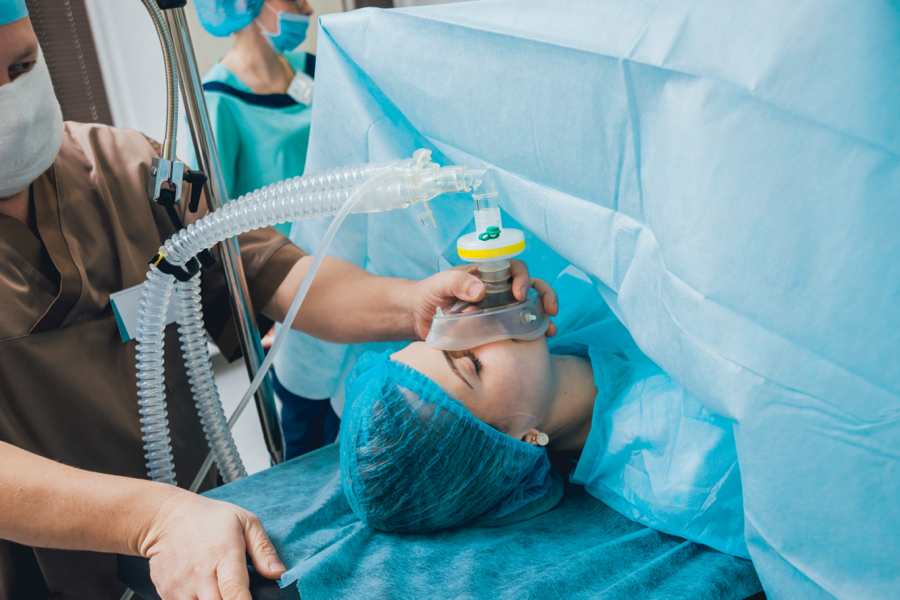
The highest-paid nursing professions are typically advanced practice roles that require additional education and certifications beyond a standard RN license. The top-earning nursing specialty is Certified Registered Nurse Anesthetist (CRNA), with average annual salaries ranging from $180,000 on the low end to over $215,000. Other high-paying nursing roles include Nurse Practitioners (particularly in specialties like neonatal, psychiatric, or emergency care), Clinical Nurse Specialists, Nurse Midwives, and Nurse Administrators/Managers.
To become a nurse, you typically need to earn a nursing degree (either an Associate’s or Bachelor’s in Nursing), complete required clinical training hours, pass the NCLEX-RN licensing exam, and apply for state licensure. This process usually takes 2-4 years, depending on the chosen program. While exact requirements may vary slightly by state, these steps outline the general path to becoming a Registered Nurse in the United States.
Nursing can be a challenging profession both physically and emotionally, with long hours, high-stress situations, and the need to make critical decisions that impact patient care. Nurses often face demanding workloads, deal with complex medical situations, and must stay calm under pressure. The job can be physically taxing, requiring long periods of standing, lifting patients, and performing various medical procedures. Emotionally, nurses frequently encounter difficult situations such as patient suffering or loss. However, despite these challenges, many nurses find their career deeply rewarding due to the opportunity to make a significant positive difference in patients’ lives, form meaningful connections, and contribute to healthcare outcomes.