
Find the Right School for You

Our Promise
We are dedicated to providing high-quality, trustworthy content. Our team of writers, editors, and experts rigorously researches and reviews all material to ensure accuracy and relevance. See our editorial policy.
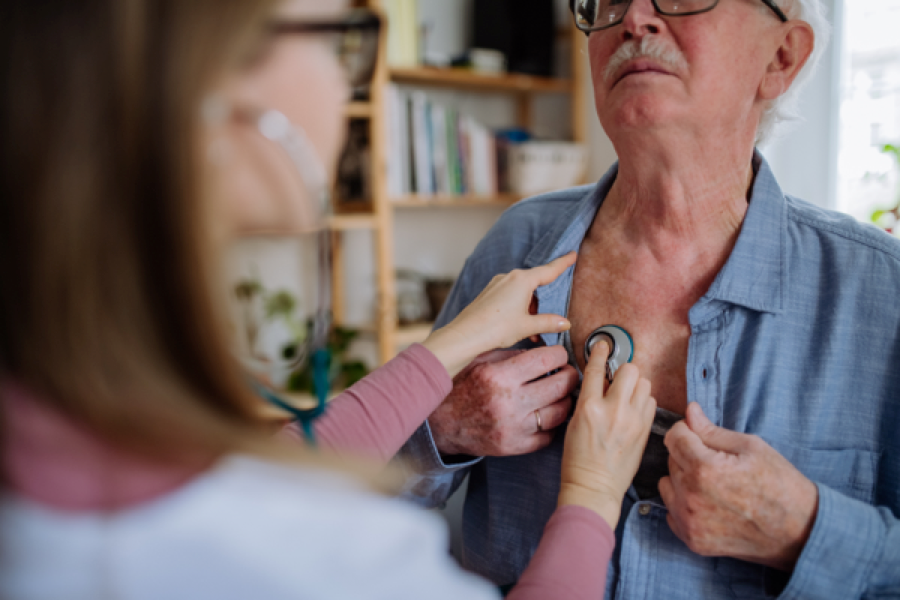
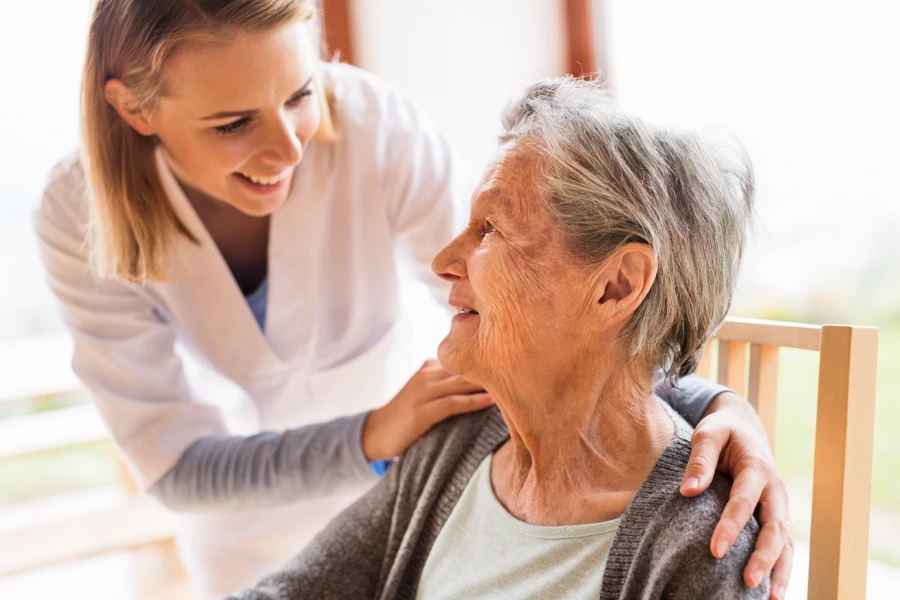
A geriatric nurse is an entry-level registered nurse that specializes in the care of older adults. They typically care for frail and elderly patients with long-term, chronic medical conditions that are not related to an acute illness or injury. Their primary role is to provide holistic and individualized care for patients and families.
In this role, a geriatric nurse is responsible for carrying out the treatment plans determined by physicians and other members of a multi-disciplinary team. They help develop a plan of care that enhances the quality of life for those receiving treatment, with a goal of maximizing patient comfort, promoting safety, preventing deterioration, maintaining current functional status, and preventing new problems.
Geriatric Nurses are employed in a variety of settings, including hospitals, nursing homes, and home health care. While the specific nature of their duties can vary depending on where they work, their primary job functions include working directly with other healthcare professionals to meet patients’ needs; providing direct patient care, such as administering medications and inserting catheters; and planning for ongoing care needs while guiding families through the process.
Registered nurses who are actively involved in the care of older patients can become certified in gerontology. A certification in gerontology is available through the American Nurses Credentialing Center (ANCC) and is awarded to registered nurses who meet specific requirements, including having at least three years of experience working with aging patients. Other prerequisites for this certification include:
This professional credential validates your specialized knowledge, expertise, and clinical competence in gerontology nursing, which can be helpful when seeking employment in the field. It identifies you as a leader in the field of gerontology to your patients and colleagues and boosts your chances of career growth and advancement.
As the population of older adults continues to grow, the need for qualified nurses with specialized knowledge in geriatric nursing is expected to increase dramatically. In 2019, the U.S. population age 65 and older numbered 54.1 million – a 36% increase from the 39.6 million counted in 2009. By 2040, this number is expected to reach 80.8 million – nearly 50% more than the current population.
The aging population has a major impact on both healthcare and employment opportunities because older adults require a considerable amount of medical attention as they age. In particular, many older adults will experience chronic conditions that require ongoing care. These illnesses and conditions can be complex and difficult to manage, which can increase the value of nurses with specialized knowledge and expertise in geriatric nursing.
To take advantage of this growing demand, you can pursue a number of different careers in the field of geriatrics. The most common career paths for Geriatric Nurses include:
Geriatric nursing assistants provide support and personal care for patients. They may assist with bathing, dressing, grooming, toileting, laundry, and other basic activities of daily living. Geriatric nursing assistants typically work under the supervision of a registered nurse or licensed practical nurse who is responsible for overseeing all aspects of patient care.
Geriatric staff nurses provide support to both patients and doctors. They help patients with activities of daily living, monitor patients’ conditions, and assist doctors in diagnostic procedures and surgeries. They work with patients who have complex medical conditions and those with long-term or chronic illnesses. Geriatric staff nurses also provide support and supervision to other nurses, nursing assistants, and orderlies.
Geriatric nurse practitioners are advanced practice registered nurses who have completed a graduate-level nurse practitioner program. They typically provide advanced assessments of patients’ health needs and conditions, develop individualized care plans, and recommend treatment options to other healthcare professionals. In some cases, they may be in charge of supervising the work of nurses and other nursing staff members.
Home health nurses are responsible for administering various patient care services outside of the traditional healthcare setting. They may provide supportive care, teach patients about managing their conditions, assist in rehabilitation efforts, and help with activities of daily living. Home health nurses may help with patients’ basic needs, such as bathing and meal preparation, or they may focus on providing support to those who need it for specific conditions, such as wound care.
Hospice nurses provide care and support for patients who are living with a terminal illness or who are near the end of their lives. They typically work in a team with other healthcare professionals to ensure that patients have the best possible quality of life during their final days. Hospice nurses may focus on one aspect of care, such as pain management or grief counseling.
Geriatric nurses typically earn salaries comparable to other RNs, though factors like experience, education, geographic location, and workplace setting can significantly impact their earning potential. Nurses with extensive experience in geriatric care, advanced degrees, or specialized certifications such as the Gerontological Nursing Certification (RN-BC) often earn higher wages. Additionally, working in specialized facilities such as hospitals, long-term care centers, or high-demand urban areas can further enhance earning potential.
According to the U.S. Bureau of Labor Statistics (BLS), the mean annual wage for RNs was $94,480 as of May 2023, which is significantly higher than the average salary across all professions, reported at $56,310 for the same period. The lowest 10% of RNs earned approximately $63,720 annually, while the top 10% made more than $132,680 per year. These salary figures are based on data from over half a million respondents to the BLS survey, reflecting a wide range of nursing roles, including geriatric nursing.
For geriatric nurses specifically, salaries can be influenced by their level of expertise in managing chronic illnesses and understanding the complexities of aging. Geriatric nurses with additional certifications, such as the Gerontological Nursing Certification (RN-BC), often have greater earning potential, as this credential demonstrates specialized knowledge and skills in caring for the elderly. Additionally, RNs working in hospitals, long-term care facilities, or specialized geriatric care units may command higher salaries compared to those working in clinics or home health settings.
The average salary for a geriatric nurse is $71,487 per year according to Glassdoor.com. There are factors that impact salaries such as years of experience and geographic location. Geriatrics is a growing field with significant financial upside.
Yes, geriatric nursing is a specialty. Geriatric nurses are expected to have knowledge of gerontology, history of aging, care for older adults with impairment or chronic illness, and interventions that can help older adults maintain optimal health.
A geriatric nurse can enter the field after earning a two-year associate degree or a four-year BSN followed by receiving an RN license. A geriatric nurse will then earn additional certifications to work in geriatrics. Earning a gerontological nursing certification (RN-BC) can increase employment opportunities. The certificate requires two years of RN experience and 2,000 hours of practice in gerontological nursing.
A geriatric nurse is a registered nurse that specializes in healthcare for the elderly. They should understand the aging process, be compassionate, have excellent communication skills, and have patience and empathy. Some nurses may also specialize in the care of people living with dementia or Alzheimer’s Disease.
Geriatric nurses work specifically with the elderly to manage their healthcare needs. Geriatric nurses must have specialized training in the diseases, conditions, and treatments that are common in this segment of the population.